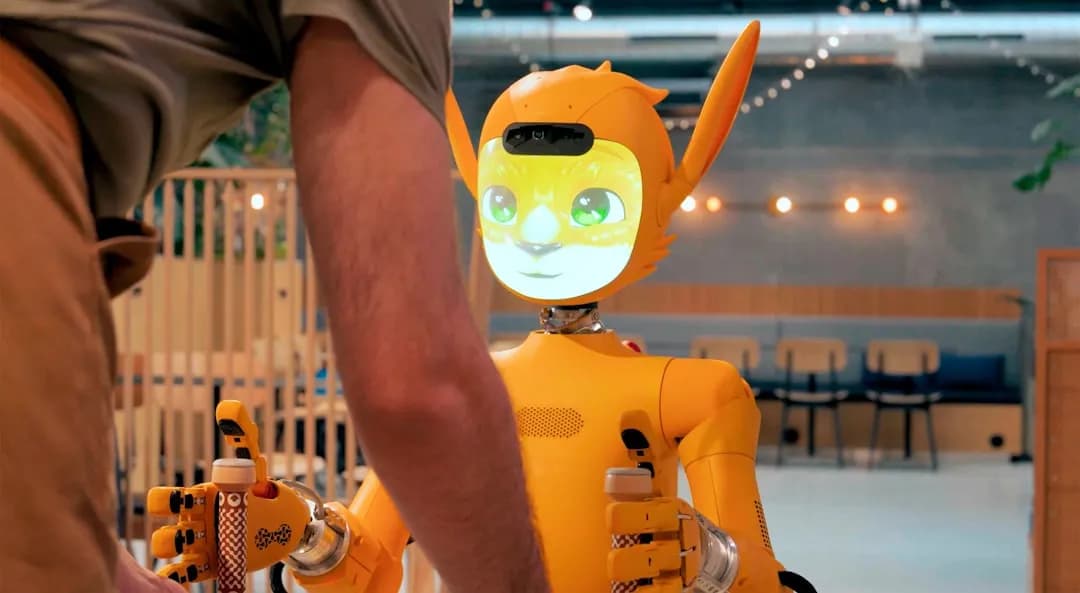
Physical AI & Humanoid Robots: Revolutionizing Modern Factories
The Dawn of a New Industrial Era
The manufacturing landscape is undergoing a radical transformation, driven by the convergence of Physical Artificial Intelligence (AI) and advanced humanoid robots. This isn't merely about automating repetitive tasks; it's about intelligent, adaptable systems interacting with the physical world in unprecedented ways, fundamentally redefining how factories operate. From assembly lines to intricate quality control, these technologies are ushering in an era of unparalleled efficiency, safety, and flexibility.
What is Physical Artificial Intelligence (AI)?
To understand the impact of humanoid robots, we must first grasp the concept of Physical AI. Unlike traditional AI, which primarily processes data in the digital realm, Physical AI refers to AI systems that can perceive, understand, and interact with the physical world directly. It’s AI embodied in a robot, enabling it to:
-
Perceive: Utilize sensors (cameras, lidar, touch sensors) to gather real-time information about its environment.
-
Understand: Process this sensory data using advanced algorithms to interpret situations, recognize objects, and predict outcomes.
-
Interact: Execute physical actions through actuators (motors, grippers) to manipulate objects, navigate spaces, and perform complex tasks.
In essence, Physical AI gives robots the intelligence to not just follow commands, but to adapt, learn, and make decisions in dynamic, real-world scenarios. This capability is crucial for the next generation of industrial automation.
The Rise of Humanoid Robots in Industrial Automation
While industrial robots have been a staple in factories for decades, humanoid robots represent a significant leap forward. Their human-like form factor offers distinct advantages:
-
Operating in Human-Centric Environments: Humanoids are designed to function in spaces built for humans. They can navigate stairs, open doors, and work with tools originally designed for human hands, reducing the need for costly factory reconfigurations.
-
Versatility and Dexterity: With two arms and multi-fingered hands, humanoids can perform complex manipulation tasks, handle delicate objects, and execute intricate assembly processes that traditional fixed-arm robots struggle with.
-
Mobility: Unlike stationary industrial arms, humanoid robots can move freely around the factory floor, making them ideal for dynamic production lines, logistics, and maintenance tasks.
These capabilities mean humanoid robots, powered by Physical AI, can undertake a wider range of activities, from picking and packing to precision assembly and quality inspection, alongside or independently of human workers.
How Physical AI and Humanoid Robots Are Reshaping Factories
1. Enhanced Flexibility and Adaptability
Modern manufacturing demands agility. Humanoid robots can be rapidly reprogrammed and re-tasked for different products or processes, enabling factories to quickly adapt to changing market demands. Their ability to navigate dynamic environments and utilize standard tools means production lines can be more fluid and less rigid than ever before.
2. Improved Safety and Ergonomics
One of the most significant impacts is on worker safety. Humanoid robots can take over hazardous, repetitive, or ergonomically challenging tasks such as heavy lifting, working in extreme temperatures, or operating dangerous machinery. This reduces the risk of human injury and allows human workers to focus on safer, higher-value activities.
3. Unprecedented Efficiency and Productivity
Robots don't tire, don't need breaks, and can operate 24/7 with consistent precision. Physical AI optimizes their movements and task sequences, leading to faster cycle times, reduced waste, and higher output quality. This translates directly into increased productivity and a more competitive manufacturing operation.
4. Addressing Labor Shortages
Many industries face persistent labor shortages for manufacturing roles. Humanoid robots offer a viable solution by filling these gaps, ensuring production continuity and allowing human employees to transition into roles requiring critical thinking, creativity, and oversight, such as robot supervision, maintenance, or process improvement.
The Road Ahead: Challenges and the Future
While the potential is immense, challenges remain. High initial costs, complex integration, and the need for robust safety protocols for human-robot collaboration are current hurdles. However, rapid advancements in machine learning, computer vision, and hardware design are quickly addressing these issues.
Looking towards humanoid robot 2026 and beyond, experts predict a significant acceleration in the commercial deployment and sophistication of these machines. We can expect more affordable, user-friendly, and highly versatile humanoid robots becoming mainstream in industrial settings. Further advancements will likely include enhanced dexterity, more intuitive human-robot interaction, and greater autonomy in complex, unstructured environments.
Conclusion
Physical AI and humanoid robots are not just technological novelties; they are intelligent agents fundamentally altering the fabric of industrial production. By offering unparalleled flexibility, enhancing safety, boosting efficiency, and addressing critical labor needs, they are paving the way for a future where factories are smarter, safer, and more productive than ever before. This new era of intelligent automation promises to drive innovation and competitiveness across global industries for decades to come.