DevSecOps 2026: Security Shifts Left, From Last Step to First
The Paradigm Shift: Security as the Foundation, Not an Afterthought
In the rapidly evolving landscape of software development, the traditional approach of integrating security as a final audit or a last-minute fix is becoming obsolete. The year 2026 marks a pivotal point where DevSecOps isn't just a buzzword but the ingrained standard. Software security is no longer an optional add-on or a reactive measure; it's the fundamental first step, woven into every phase of the development lifecycle.
This shift from a 'fix-it-later' mentality to 'build-it-secure' is driven by escalating cyber threats, stringent compliance requirements, and the undeniable cost-effectiveness of early detection. Organizations realize that vulnerabilities discovered late in the CI/CD pipeline or, worse, in production, are exponentially more expensive and damaging to remediate.
What is DevSecOps? A Brief Overview
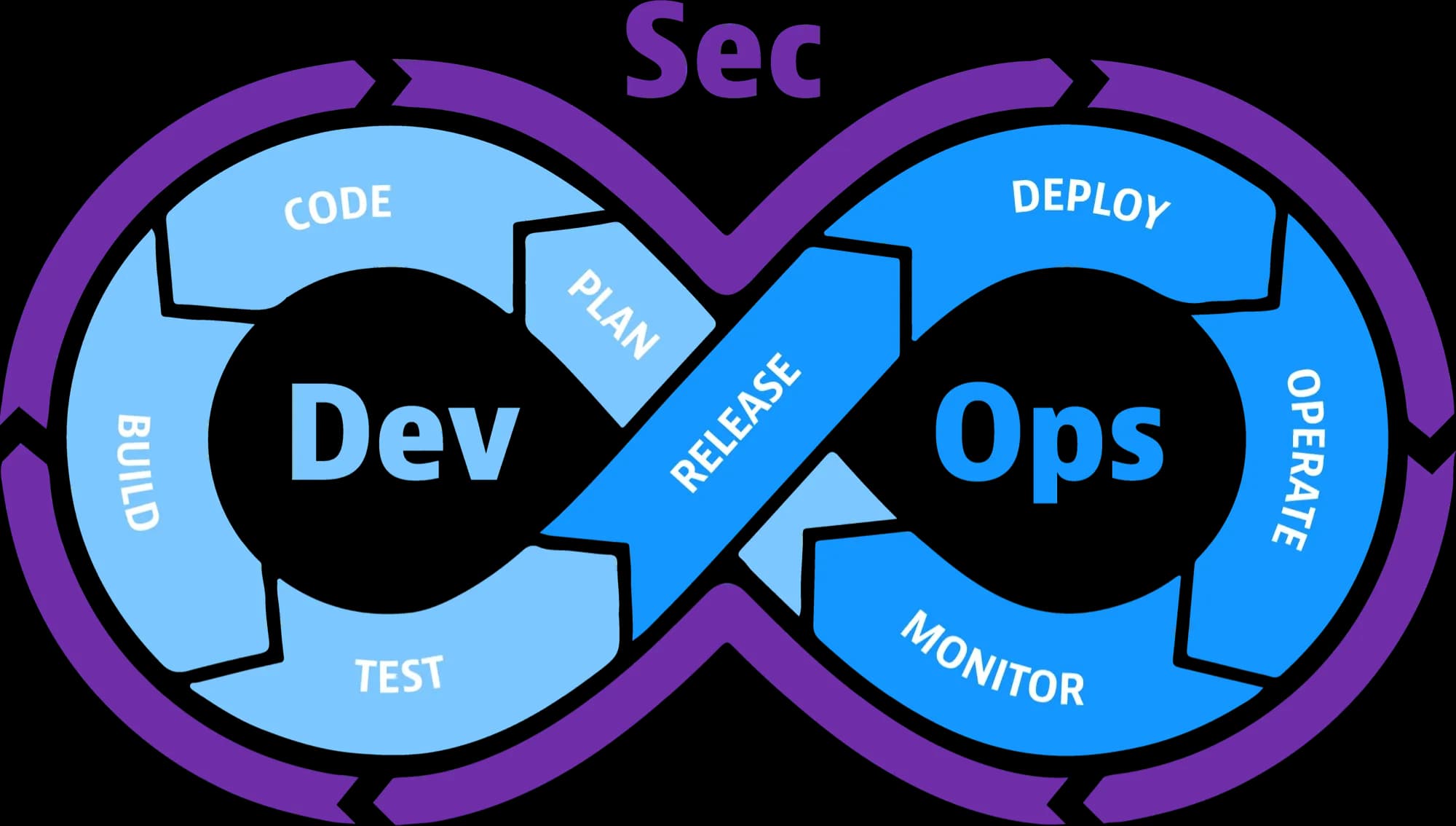
DevSecOps is the natural evolution of DevOps, integrating security practices into every stage of the software development lifecycle (SDLC). It promotes a culture of shared responsibility, automation, and rapid feedback loops, ensuring that security is considered from the initial design phase through development, testing, deployment, and ongoing operations. Its core principle is to "shift left," bringing security concerns to the earliest possible point in the development process.
Why the Shift Left? The Imperative for Early Security Integration
The motivation behind the DevSecOps movement is clear and compelling:
-
Cost Reduction: Finding and fixing security flaws in the design or coding phase costs significantly less than addressing them in production. Industry reports consistently show that the cost of remediation can increase by orders of magnitude at later stages.
-
Enhanced Security Posture: By embedding security checks and controls throughout the CI/CD pipeline, organizations proactively identify and mitigate risks, leading to more robust and resilient applications.
-
Faster Time to Market: While it might seem counterintuitive, integrating security early can accelerate development. Fewer last-minute security bottlenecks mean smoother deployments and quicker release cycles.
-
Improved Compliance: With regulations like GDPR, CCPA, and industry-specific mandates becoming more stringent, embedding security from the start simplifies compliance and reduces the risk of penalties.
-
Cultural Transformation: DevSecOps fosters a culture where developers, operations, and security teams collaborate, sharing ownership and responsibility for secure software development.
DevSecOps in 2026: The Future State of Secure Software Development
By 2026, DevSecOps will have matured significantly, characterized by several key advancements and widespread adoption:
1. Hyper-Automated Security Testing
Automation will be the bedrock of DevSecOps. Tools for Static Application Security Testing (SAST), Dynamic Application Security Testing (DAST), Interactive Application Security Testing (IAST), and Software Composition Analysis (SCA) will be seamlessly integrated into every commit, build, and deployment. These tools will not only identify vulnerabilities but also provide intelligent remediation suggestions, often with automated pull requests for common issues. The reliance on manual security reviews for basic checks will be minimal, freeing up security experts for more complex architectural assessments.
2. AI and Machine Learning for Predictive Security
Artificial Intelligence (AI) and Machine Learning (ML) will play a transformative role in cybersecurity software. By 2026, AI algorithms will analyze vast datasets of code, vulnerability patterns, and threat intelligence to predict potential security flaws even before they are coded. ML models will continuously learn from successful and unsuccessful attacks, adapting security controls in real-time. This predictive capability will allow teams to preemptively harden applications against emerging threats, moving beyond reactive scanning to proactive defense.
3. API Security as a Core Pillar
With the proliferation of microservices and cloud-native architectures, API Security will be paramount. By 2026, organizations will treat APIs as critical attack vectors, demanding stringent security measures from design to deployment. This includes automated API discovery, continuous vulnerability scanning specific to API endpoints, robust authentication and authorization mechanisms (e.g., OAuth 2.0, OpenID Connect), rate limiting, and sophisticated anomaly detection for unusual API traffic patterns. API gateways will evolve into intelligent security enforcement points, integrating seamlessly with WAFs and bot protection.
4. Policy-as-Code and Compliance Automation
Security policies will be defined, managed, and enforced as code. This means security rules, compliance mandates, and configuration best practices will be version-controlled, tested, and automatically applied across the entire infrastructure and application stack. Any deviation from these codified policies will trigger automated alerts or even halt deployments, ensuring consistent adherence to security standards and simplifying audit processes. This approach significantly reduces human error and accelerates compliance efforts.
5. Enhanced Supply Chain Security
The lessons from recent supply chain attacks will lead to a hardened focus on securing the entire software supply chain. By 2026, organizations will implement rigorous practices for vetting open-source components, third-party libraries, and container images. Software Bill of Materials (SBOMs) will be standard practice, providing transparent visibility into every component of an application. Automated tools will continuously monitor for vulnerabilities in upstream dependencies, providing immediate alerts and facilitating rapid patching.
6. Integrated Threat Modeling and Security by Design
Threat modeling will become an intrinsic part of the application design phase, not an optional exercise. Developers and security architects will collaborate early to identify potential threats, assess risks, and design security controls directly into the architecture. This "security by design" approach ensures that applications are fundamentally secure from their inception, rather than having security bolted on later.
7. Continuous Monitoring and Adaptive Security
Post-deployment security will be characterized by continuous monitoring, leveraging advanced SIEM (Security Information and Event Management) and SOAR (Security Orchestration, Automation, and Response) platforms. These systems, powered by AI/ML, will provide real-time visibility into application behavior, detect anomalies, and automatically respond to incidents. Security will be adaptive, dynamically adjusting controls and policies based on observed threats and evolving risk profiles.
Implementing DevSecOps: Challenges and Best Practices
While the benefits are clear, the transition to a full DevSecOps model by 2026 presents challenges:
-
Cultural Resistance: Overcoming siloed teams and fostering a shared security mindset requires significant effort and leadership buy-in.
-
Tool Sprawl: Integrating a myriad of security tools into a cohesive CI/CD pipeline can be complex.
-
Skill Gap: Developers need to be upskilled in security best practices, and security teams need to understand development workflows.
Best practices for successful implementation include:
-
Start Small, Scale Gradually: Begin with a few critical applications and incrementally expand DevSecOps practices.
-
Invest in Training: Provide continuous education for developers on secure coding principles and security tools.
-
Automate Everything Possible: Prioritize automation for repetitive security tasks to reduce manual effort and human error.
-
Foster Collaboration: Break down silos between development, security, and operations teams.
-
Define Metrics: Measure the effectiveness of DevSecOps initiatives to demonstrate ROI and identify areas for improvement.
Conclusion: Security, Embedded by Default
By 2026, the landscape of secure software development will be fundamentally transformed. DevSecOps will be the default mode of operation, where security is an inherent quality of software, not an external addition. The integration of advanced automation, AI/ML, and a pervasive culture of security will ensure that applications are not only functional and performant but also resilient against an ever-evolving threat landscape. The future of software security is proactive, continuous, and deeply embedded – from the very first line of code.