15 Essential Questions for Choosing a Software Agency in 2026
The Evolving Landscape of Software Agency Selection in 2026
In the rapidly accelerating digital age, selecting the right software agency is more critical and complex than ever. By 2026, the technology landscape will have evolved significantly, with AI, machine learning, enhanced cybersecurity threats, and advanced cloud solutions becoming standard. For businesses looking to outsource their software development, due diligence is paramount. A well-chosen partner can be a catalyst for innovation and growth, while a poor choice can lead to significant delays, budget overruns, and missed opportunities. This guide outlines 15 essential questions to ask potential software agencies, ensuring you make an informed decision that future-proofs your investment.
Foundational Expertise and Experience
Beyond a flashy portfolio, delve into the agency's actual experience and the depth of their technical prowess.
Can you share case studies and client references relevant to our industry and project scope?
Look for concrete examples of past work that aligns with your business sector and the specific type of project you envision. Real-world results and testimonials from satisfied clients offer invaluable insights into their capabilities and reliability.
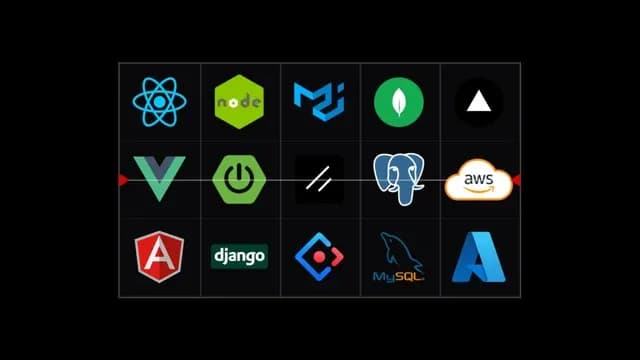
What specific expertise do you have in [mention key tech: AI, ML, blockchain, cloud-native, IoT, etc.]?
The tech stack is constantly evolving. In 2026, agencies must demonstrate proficiency not just in foundational technologies but also in cutting-edge areas that could give your project a competitive edge. Ask about their practical experience, not just theoretical knowledge.
How do you ensure your team stays updated with the latest technologies and industry trends?
A proactive approach to learning and development is a hallmark of a forward-thinking agency. Inquire about their training programs, certifications, and how they foster a culture of continuous improvement.
Project Management and Development Process
A robust and transparent process is vital for successful project delivery.
What is your standard project management methodology (Agile, Scrum, Waterfall) and how do you adapt it?
Understanding their methodology helps you gauge compatibility. While Agile is popular, ask how they tailor it to specific project needs, client preferences, and how they handle fixed-scope versus evolving requirements.
How do you approach requirements gathering, scope definition, and change management?
Clear definition from the outset minimizes misunderstandings. A robust change management process is crucial for handling inevitable project shifts without derailing progress or budget.
What tools do you use for project tracking, communication, and version control?
Familiarity with industry-standard tools (e.g., Jira, Asana, Slack, Git) indicates professionalism and facilitates seamless collaboration between your team and theirs.
Communication, Collaboration, and Transparency
Effective communication is the cornerstone of any successful partnership.
What is your communication plan and frequency for project updates?
Define expectations for regular check-ins, progress reports, and ad-hoc communication. Transparency in reporting both successes and challenges is key.
Who will be our primary point of contact, and how can we directly interact with the development team?
Knowing your dedicated point of contact streamlines communication. Direct access to developers (when appropriate) can foster better understanding and quicker problem-solving.
Security, Compliance, and Intellectual Property
Protecting your data and ideas is non-negotiable.
What security protocols do you implement throughout the development lifecycle?
In 2026, cybersecurity is paramount. Inquire about their secure coding practices, vulnerability testing, data encryption, and network security measures.
How do you ensure data privacy and compliance with regulations like GDPR, CCPA, or industry-specific standards?
Compliance with global and regional data privacy laws is critical. Ensure the agency understands and adheres to all relevant regulations for your project and target market.
What are your intellectual property (IP) transfer policies upon project completion?
Clarity on IP ownership from the start is essential. Ensure all code, designs, and related assets developed are transferred to you unequivocally upon project completion and payment.
Post-Launch Support, Scalability, and Future-Proofing
Your relationship shouldn't end at launch.
What kind of post-launch support, maintenance, and warranty do you offer?
Software requires ongoing care. Understand their support packages, bug fixing policies, and maintenance agreements to ensure your application remains stable and performs optimally.
How do you plan for future scalability and evolving project needs?
Your business will grow, and your software should too. Discuss their approach to building scalable architectures and how they anticipate future feature additions or increased user loads.
How do you incorporate emerging technologies and future-proof solutions into your projects?
A forward-thinking agency won't just build what you ask for, but will also suggest innovative approaches and technologies that can give you a long-term advantage.
Financials and Contractual Clarity
Understand the investment and contractual terms thoroughly.
What is your pricing model, and what does the total estimated cost include/exclude?
Be crystal clear on pricing structures (fixed-price, time & material, dedicated team) and ensure all potential costs, including third-party licenses, testing, and deployment, are accounted for in the estimate.
Conclusion: Making an Informed Decision
Choosing a software agency in 2026 demands a strategic and thorough approach. By asking these 15 questions, you'll gain a comprehensive understanding of a potential partner's capabilities, processes, and commitment to your success. Remember, you're not just hiring developers; you're seeking a long-term technology partner who can help navigate the complexities of the digital future and transform your vision into reality.