What Website Examples Reveal About Real Budget
A client approves a website budget based on a quote that lists "design," "development," and "launch." Three weeks in, an email arrives asking for extra budget: a payment gateway connection nobody mentioned, a content migration nobody scoped, a round of stock photography nobody priced. The project pauses while someone finds the money.
This happens often, and not because anyone acted in bad faith. It is what happens when a budget gets built around a template instead of around the actual line items a website requires.
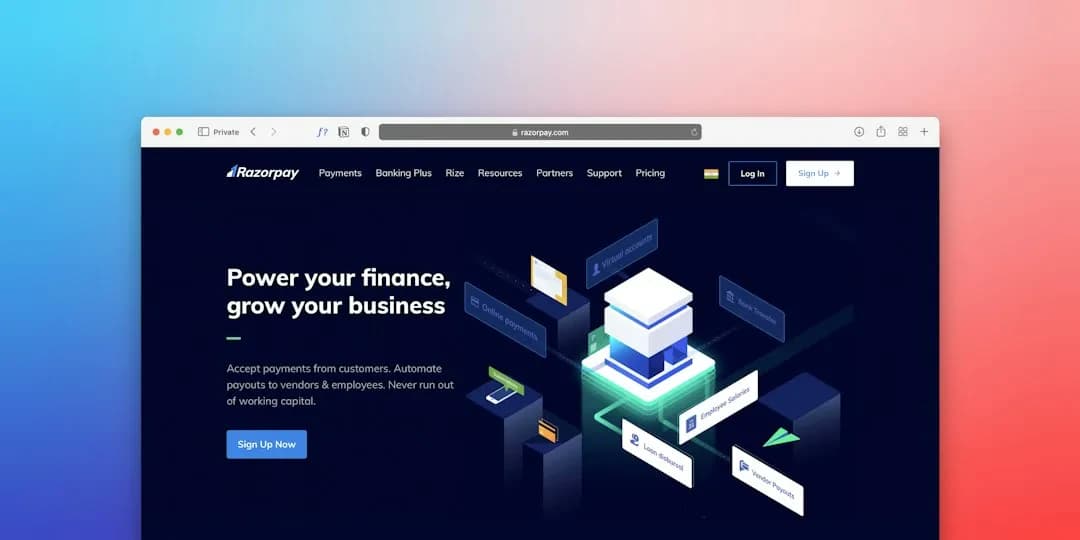
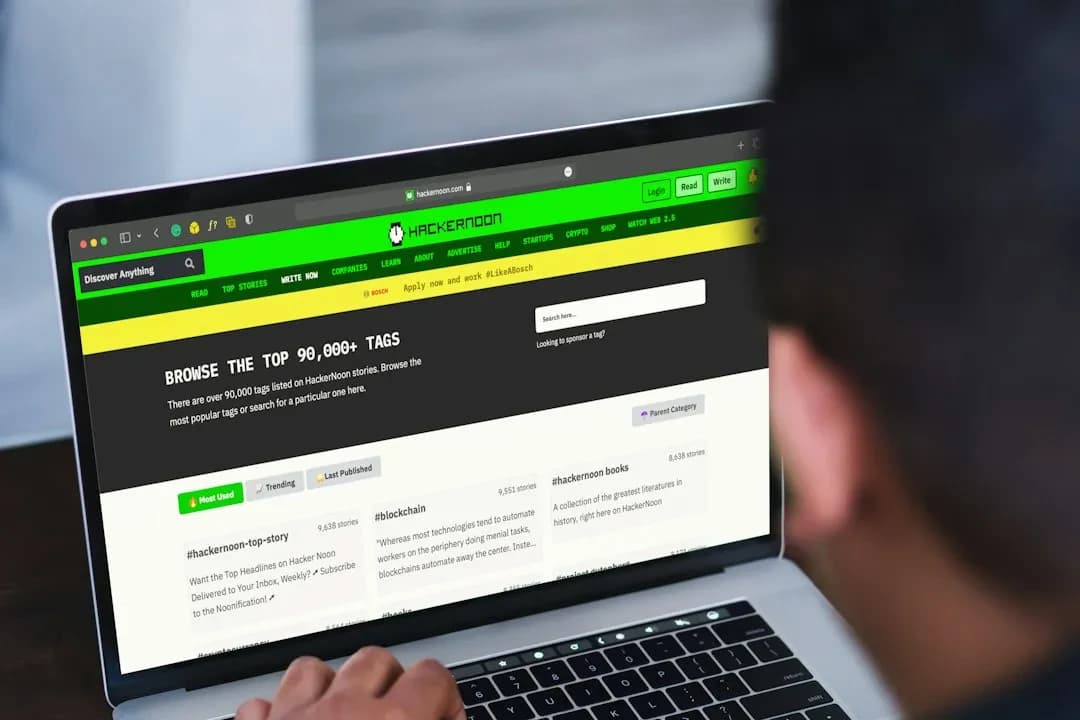
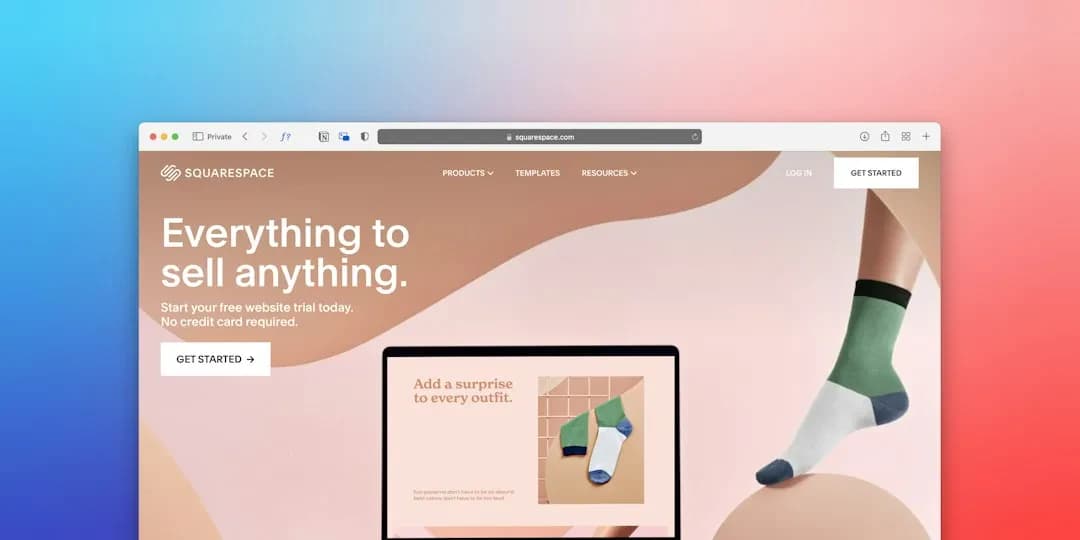
Looking at real website examples before setting a budget is less about aesthetic inspiration and more about reverse-engineering what each visible feature cost to build. A multilingual corporate website with a client portal did not get there through design alone. Every line item below is something we price separately when we scope a web design and development project, and skipping that separation is exactly how budgets get blown.
The design line
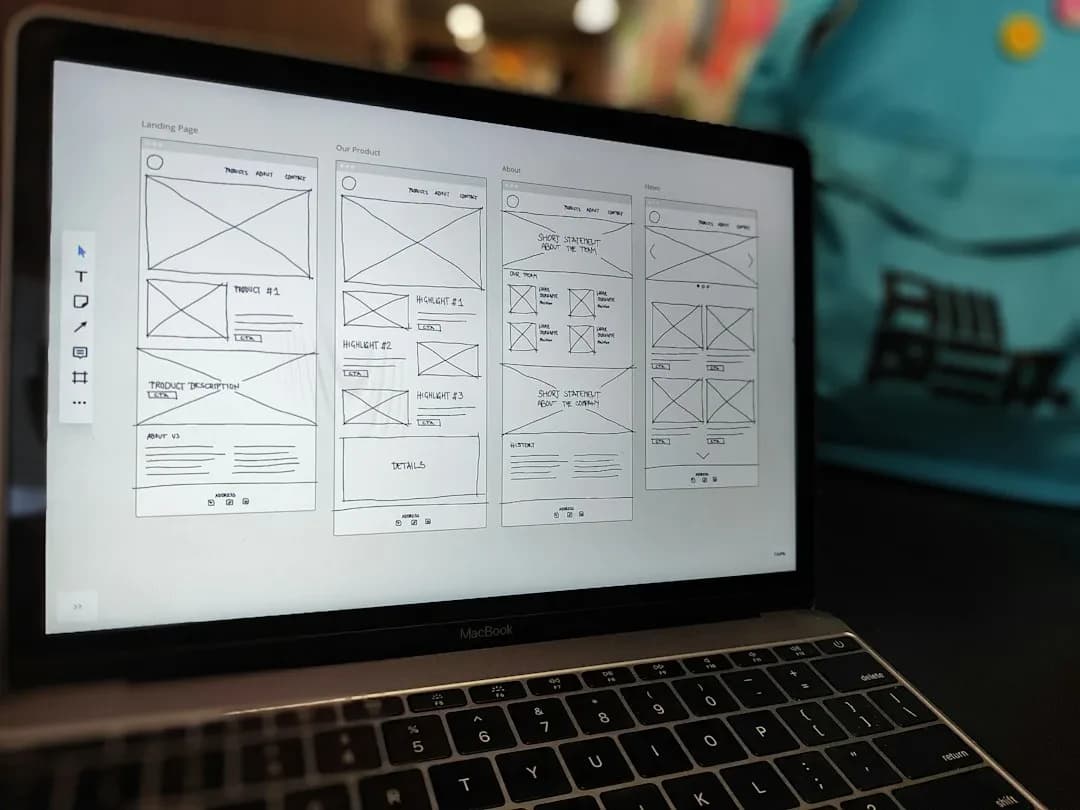
Design cost is driven by how many distinct page templates a site needs, not by how many total pages it has. A corporate website with twenty pages but only four underlying templates, home, about, service, and contact, costs far less to design than one where every page looks different. Good corporate website examples almost always reuse a tight system of components across many pages.
What makes this line grow is indecision, not complexity. Three rounds of "let's see another version" on the homepage alone can cost more than designing every interior page template combined. Fixing the number of revision rounds in the contract before work starts is one of the more effective ways to keep this line predictable.
The development line
Development cost scales with how many things on the page actually do something: forms that validate input, filters that query a database, dashboards that pull live numbers. A site built from static content and a contact form sits at one end of the range. A site with user accounts, search, and dynamic content sits at the other end, often several multiples higher.
Content management system setup belongs here too. Letting a client's own team edit pages without touching code sounds like a small checkbox, but building a clean, safe editing interface is real engineering work. Corporate website examples that look simple on the surface frequently hide a CMS layer that took as much effort as the visible design.
Why the integration line grows fastest
Integrations are the most underestimated cost category because each one depends on a system the agency does not control. Connecting a Turkish virtual POS provider like iyzico or PayTR, wiring up a cargo tracking feed from Yurtiçi or Aras, or syncing product data with an existing ERP all involve someone else's documentation, someone else's test environment, and someone else's response time.
How much an integration costs depends mainly on how well-documented and stable the external system is. A modern API with clear documentation might take a few days. A legacy system with no sandbox environment and a support team that answers slowly can take weeks for the same nominal feature. This is the line item most likely to turn a four-week estimate into an eight-week one.
Hidden costs nobody puts on the first quote
A few cost lines rarely appear on an initial proposal, not out of bad faith, but because they only become visible once the project starts. Content writing and translation for a multilingual corporate website is one example: someone has to actually write the Turkish and English copy for every page, and that is a content job, not a development job.
Stock photography or custom photography licensing, SSL certificates and domain renewal, and KVKK-compliant cookie consent and privacy policy text are smaller individually but add up quickly. None of these are exotic. They show up on almost every serious corporate website project, and a quote that omits all of them is either incomplete or assumes the client will handle them separately.
What realistic cost ranges actually depend on
A fast corporate website built from five to eight pages with largely ready content sits at the low end of the range, and a standard timeline for that kind of build runs around two weeks. A custom-designed, multilingual corporate site with a CMS and a handful of dynamic features sits meaningfully higher, with a typical build spanning four to eight weeks depending on how many design revision rounds the approval process takes.
Three things shift a project from the low end of its range to the high end: the number of unique page templates, the number of third-party integrations, and how quickly the client side delivers content and approves design rounds. Approval speed is the one entirely within the client's control, and it is also the one most often overlooked when a quote comes in higher than expected.
Where budget cuts are safe, and where they are not
Not every cut carries the same risk. Reducing the number of unique page templates, reusing a single flexible layout across similar content types, or launching with a smaller initial language set and adding languages later are all reasonable ways to lower cost without weakening the site's foundation.
Cutting corners on integration testing is a different story. Skipping proper testing of a payment gateway connection to save time does not remove the risk, it just delays when the cost shows up, usually as a failed transaction a real customer hits after launch. The same applies to skipping accessibility checks or mobile testing purely to hit a deadline. Those saved hours tend to come back later as support tickets or lost conversions.

How to read website examples with a cost lens
The next time a corporate website example looks impressive, it is worth asking a more useful question than whether you like it. Ask which of the line items above is doing the visible work: is it the design system, a complex integration, or simply well-written content presented cleanly? That question turns inspiration into a usable budget conversation instead of a vague style reference.
We keep a running set of completed projects in our portfolio, and clients who browse it before their first scoping call tend to ask sharper, more specific questions about what they actually need. That alone tends to shorten the gap between the first quote and the final one.
If you already have a sense of what kind of corporate website you need and want a cost breakdown that matches your actual scope rather than a generic template, you can share your project details and request a quote with line items specific to your case.