Turkey's Defense Industry Ascends: Global Exports and Key Innovations
The Rise of an Indigenous Powerhouse
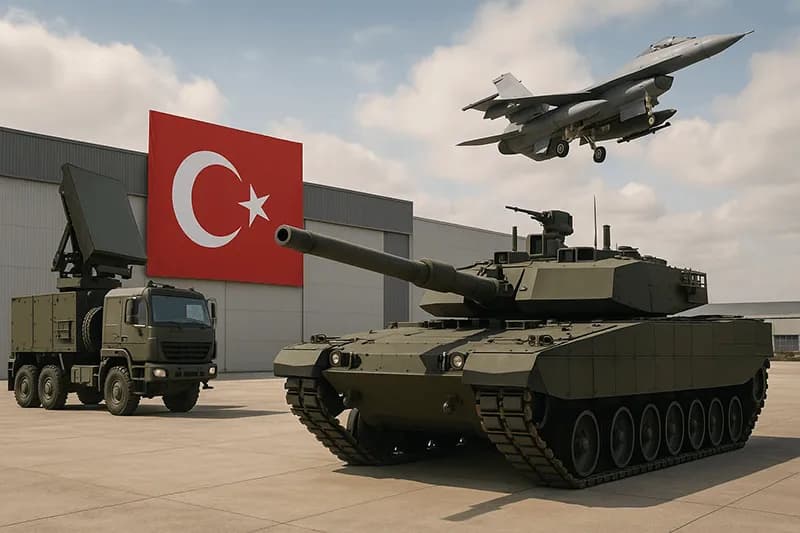
For decades, Turkey was primarily an importer of defense technology, relying heavily on foreign suppliers for its military needs. However, a strategic shift towards self-sufficiency and indigenous production in the early 2000s has dramatically reshaped its defense landscape. Today, Turkey stands as a formidable exporter, offering a wide array of cutting-edge military systems and platforms to nations across the globe. This remarkable transformation is not just about economic growth; it's a testament to Turkey's commitment to technological independence and its growing influence on the international stage.
The journey began with a clear vision: to reduce foreign dependency and foster a robust national defense ecosystem. This vision fueled massive investments in research and development, encouraged collaboration between state-owned enterprises and private companies, and prioritized the cultivation of highly skilled engineering talent. The result is a dynamic industry capable of designing, developing, and manufacturing sophisticated defense solutions that meet modern warfare requirements.
Pioneering Innovation: Key Players and Their Contributions
The success of Turkey's defense industry is intrinsically linked to the innovation and dedication of its leading companies. These entities have not only mastered existing technologies but have also pushed the boundaries of what's possible, creating unique and highly effective systems.
ASELSAN: The Electronics Giant
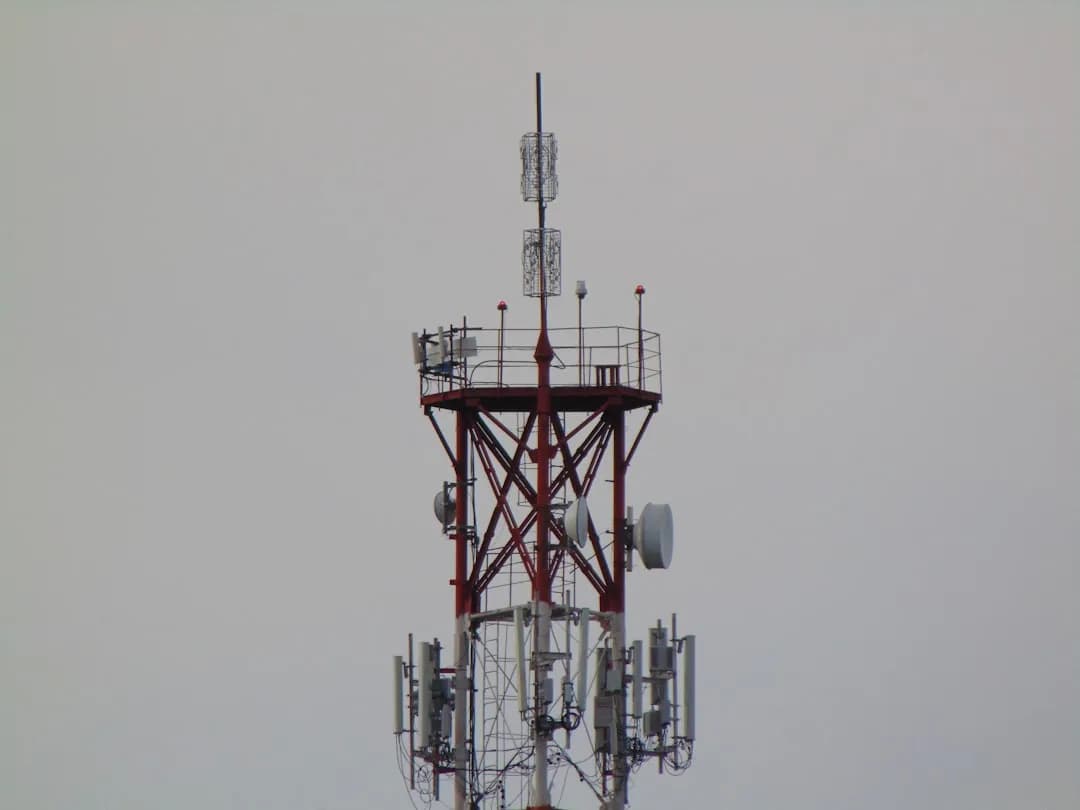
As Turkey's largest defense electronics company, ASELSAN is at the forefront of technological innovation. Its extensive product portfolio includes advanced communication systems, radar and electronic warfare solutions, electro-optical systems, avionics, and command and control systems. ASELSAN's products are integrated into almost every major Turkish defense platform and are increasingly sought after by international clients due to their reliability, performance, and cost-effectiveness. From thermal cameras to air defense systems, ASELSAN's contributions are critical to the operational capabilities of modern militaries.
Baykar and the UAV Revolution: Bayraktar TB2
Perhaps the most globally recognized success story is the Bayraktar TB2 Unmanned Combat Aerial Vehicle (UCAV) developed by Baykar. This medium-altitude, long-endurance (MALE) UCAV has gained international acclaim for its combat proven effectiveness in various conflicts, demonstrating superior reconnaissance, surveillance, and precision strike capabilities. Its relatively low cost, combined with high performance, has made it a preferred choice for many nations looking to enhance their aerial combat and intelligence-gathering assets. The TB2's success has paved the way for newer, more advanced Turkish UAVs like the Akıncı and Kızılelma, further solidifying Turkey's position as a leader in drone technology.
Other Significant Contributors
-
Turkish Aerospace Industries (TUSAŞ/TAI): Specializes in aerospace systems, including aircraft, helicopters, and satellites. TAI produces the ANKA series of UAVs, the HURKUŞ basic trainer aircraft, and is developing the HURJET light combat aircraft and the KAAN national combat aircraft.
-
Roketsan: A leading manufacturer of rockets, missiles, and guided munitions. Roketsan's products range from anti-tank missiles like the UMTAS and OMTAS to air-to-surface cruise missiles such as the SOM, and various precision-guided munitions for UAVs.
-
FNSS and Otokar: These companies are prominent in land systems, producing a wide range of armored vehicles, including infantry fighting vehicles, armored personnel carriers, and main battle tanks. Their vehicles are known for their robust design and adaptability to diverse operational environments.
-
STM: Focuses on naval platforms, cybersecurity, and satellite technologies, playing a key role in the design and construction of corvettes and other naval vessels.
What is Turkey Exporting to the World?
Turkey's defense export portfolio is diverse and growing, reflecting the breadth and depth of its industrial capabilities. The primary categories of exports include:
-
Unmanned Aerial Vehicles (UAVs): The Bayraktar TB2 leads this category, with exports to over 30 countries. The ANKA series also finds its market, offering different capabilities.
-
Naval Platforms: Turkey exports sophisticated naval vessels, including corvettes, offshore patrol vessels, and fast attack crafts. These ships are built with advanced combat management systems and integrated sensors, often featuring Turkish-made subsystems.
-
Armored Land Vehicles: A wide range of armored personnel carriers, infantry fighting vehicles, mine-resistant ambush protected (MRAP) vehicles, and tactical wheeled vehicles from companies like FNSS and Otokar are exported to numerous countries.
-
Ammunition, Rockets, and Missiles: Roketsan's precision-guided munitions, anti-tank missiles, and air-to-surface missiles are increasingly part of international defense arsenals.
-
Electronic Systems and Subsystems: ASELSAN's radars, electronic warfare systems, communication devices, electro-optical sensors, and weapon stations are integrated into platforms worldwide, either as standalone units or as part of larger defense systems.
-
Simulation and Training Systems: Turkish companies also provide advanced simulation technologies for pilot training, vehicle operation, and mission rehearsal.
Impact on the Global Defense Landscape
Turkey's ascent in the defense industry has several significant implications globally. Firstly, it offers a credible alternative to traditional defense suppliers, promoting greater competition and potentially lowering costs for buyers. Secondly, it strengthens strategic partnerships with countries that prioritize technological transfer and joint development. Lastly, the operational success of Turkish-made systems, particularly UAVs, has influenced military doctrines and procurement strategies in various regions, highlighting the effectiveness of these platforms in modern conflicts.
Challenges and Future Outlook
Despite its impressive growth, the Turkish defense industry faces challenges, including intense global competition, the need for continuous innovation, and managing export controls and international relations. However, the future outlook remains positive. With ongoing investments in R&D, a focus on emerging technologies like artificial intelligence, hypersonics, and advanced robotics, and a commitment to expanding its global footprint, Turkey aims to further solidify its position among the top defense exporters. The development of next-generation platforms like the KAAN fighter jet and further advancements in unmanned systems promise to keep Turkey at the cutting edge of defense technology.
Conclusion
Turkey's transformation from a defense importer to a significant global exporter is a remarkable achievement driven by strategic vision, indigenous innovation, and robust industrial capabilities. Companies like ASELSAN and Baykar, with their groundbreaking products such as the Bayraktar TB2, have become household names in the defense world. As Turkey continues to invest in advanced technologies and foster international partnerships, its defense industry is poised for even greater success, contributing not only to national security but also to global peace and stability through technologically advanced and reliable defense solutions.